


By using our website, you agree to the use of cookies as described in our Cookie Policy
Blog
The 6 Toughest Problems that Food Distributors Face in 2026

Logistics might be the backbone of the food distribution business, but it's not the whole story. The real challenges facing food distributors today go way beyond just moving palates or cases from point A to point B.
Here's what's keeping distributor reps up at night, and some suggestions for what you can do about it.
1. Delivery Execution That Actually Works
The problem isn't just coordinating carriers or tracking shipments. It's that one delay can cascade into a dozen headaches…Missed delivery windows. Damaged product. Surprise freight surcharges that blow up your margin. Any of this sound familiar?
Here's what moves the needle when it comes to day-to-day delivery execution:
Partner with carriers who show up. Not the cheapest option, the most reliable one. Check their track record. Talk to other distributors. Make sure they understand the stakes when you're shipping imported gourmet foods like Que so Mahon cheese from Spain or a premium prosciutto from Italy.
Use real-time tracking that actually helps. GPS tracking and inventory management systems are only useful if someone's watching them 24/7 and can react when things go sideways. Real-time visibility means real-time decisions.
Spot the bottlenecks before they cost you. Walk your supply chain regularly. Where are orders stalling? Where's product sitting too long? Fix those weak spots, because they're costing you more than you think.
Have a backup plan. Winter storms can wreck havoc. Hurricanes happen. Trucks break down. So it’s important to maintain relationships with multiple carriers and keep buffer stock for high-demand items so a single hiccup doesn't turn into a customer service nightmare.
Track what matters. On-time delivery rates, freight costs per case, and customer complaints about condition are three crucial KPIs. If you're not measuring that stuff, you're not managing it.
The distributors who get this right aren't just avoiding problems, they're building a reputation for reliability that turns into long-term customer relationships.
2. Inventory That Doesn't Sit or Disappear
Overstocking eats cash and spoils on the shelf. Stock outs lose sales and damage trust. And with perishables, you're always racing the clock. The trick isn't holding more inventory. It's holding the right inventory at the right time.
Forecast with actual data. The more you know about what moves when, the less you're guessing. So use historical sales data, seasonal patterns, market trends, word of mouth, and any other sources of insight you can find.
Align orders with real demand. Just-in-time isn't just a buzzword. When you sync orders closely with customer demand, you reduce storage costs and waste. It takes precision, but it pays off.
Audit your stock constantly. Identify slow movers before they become dead weight. Adjust ordering patterns. Know what's expiring when. Frequency matters more than perfection.
Build supplier relationships that flex. The best suppliers can pivot when your needs change. If demand spikes or dips, you need partners who can respond without drama. Channel Ambassadors bring much more to the table than just product. They bring flexibility, creative thinking, major league relationships and a Johnny-on-the-spot approach to service.
Invest in inventory management software. Modern systems track stock levels, automate reordering, and catch errors before they become expensive problems. The ROI is real.
When inventory's dialed in, cash flow improves, waste drops, and customers get what they need when they need it. That's the foundation of a healthy distribution operation.
3. Quality That Justifies the Price
Price matters, but if you're competing on price alone you're in a race to the bottom.
The real challenge is demonstrating added value on a daily basis. So you’re not just saying your products are better, but proving it in ways customers can see, feel and taste.
Quality control at every step. From receiving to storage to delivery, product integrity has to be non-negotiable. Set standards. Enforce them. A single quality failure can undo months of relationship building.
Customer service that actually serves. Respond fast. Handle issues professionally. Make buying from you easy. The whole experience shapes how customers perceive value, not just the product itself.
Tell the story behind the product. Sourcing details, production methods, quality certifications, ingredient lists — that’s not just marketing fluff. They justify premium pricing and build trust.
Stay ahead of what customers want. Consumers are fickle. Their preferences are constantly shifting and they often don’t know what they want until they see it. Organic, sustainable, locally sourced, keto… you name it. You need to know what's gaining traction in your market and adjust your portfolio accordingly.
Partner with suppliers who share your eye for quality. Your products are only as good as your suppliers. Work with wholesalers and producers who have proven track records and conduct regular quality audits.
When customers perceive real value, price becomes secondary. That's when you stop competing on margin and start building long-term loyalty.
4. Pricing That Makes Sense for Everyone
Raw material costs fluctuate. New competitors undercut you. Market demand shifts. And somehow, you're supposed to land on a price that works for you and your customers and the producers and the wholesaler.
It's not simple, but it's manageable if you're methodical about it. Channel Ambassadors are particularly good at that.
Know your costs cold. Raw materials, production, freight, overhead — map every expense so you know exactly where your break-even point sits.
Watch what competitors are doing. You don't have to match their prices, but you need to know where you stand. Look for gaps where you can offer better value.
Price to value, not just cost. Some customers pay more for quality, reliability, or specialized service. Understand what they value most and price accordingly.
Explain why your price is what it is. If you're charging a premium, customers need to see why. Better ingredients? Faster delivery? Exceptional support? Make it obvious.
Adjust pricing dynamically when it makes sense. Seasonality, demand spikes, market conditions, even global politics can affect things. Those are the times when dynamic pricing helps you stay competitive and maximize revenue.
The smartest distributors treat pricing as a strategic tool, not a guessing game. They track costs, benchmark competitors, and communicate value clearly.
5. Keeping Up with What Customers Actually Want
Consumers today are informed, opinionated, and fickle. They want organic one month, plant-based the next, and something entirely different six months later. Miss those subtle market shifts and you're stuck holding inventory nobody wants.
Stay plugged into industry trends. Keep your finger on the pulse of the market by attending trade shows, reading industry reports, listening carefully to customer conversations. It also helps to work with wholesale suppliers who are on top of that stuff. The earlier you spot a trend, the better positioned you are to capitalize on it.
Diversify your product mix. Don't bet everything on one category. Offer options that cater to different preferences so you're covered when tastes shift.
Listen to your customers. Surveys, reviews, direct conversations — they'll tell you what they need if you ask. Use that feedback to guide which products you stock and promote.
Train your team on what's new. If your sales team can't explain the benefits of new products, those products won't move. Education drives adoption.
Work with suppliers who innovate. Partner with producers who are proactive about identifying and responding to trends. Their expertise helps you stay ahead of the curve.
The distributors who thrive are the ones who see change coming and move before everyone else. Agility isn't optional anymore.
6. Maintaining Relationships in a Transactional World
Here's something nobody wants to admit: the food distribution business is losing its humanity.
Self-serve ordering apps. AI chatbots. End-to-end automation. It's all making transactions easier while making real relationships harder to build. But when things go sideways…that's when you realize technology can't solve everything. No amount of techno gadgetry can replace a strong, lasting relationship.
The old-school approach of actual face time, handshakes, and genuine partnerships is fading. Distributors, brokers, retailers, restaurant owners — everyone's trading long-term relationships for short-term convenience.
But at what cost?
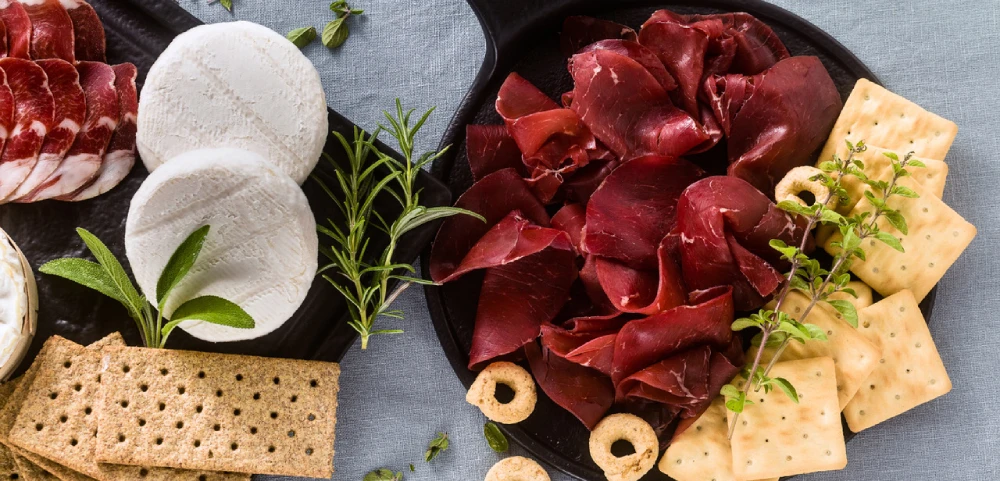
When the Miami Grand Prix culinary team called us Friday night before qualifying because their bresaola beef shipment hadn't arrived, they didn't need an app. They needed a friend. We worked our network up and down the East Coast, found the meat, and had it FedExed overnight. The VIPs got their Uruguayan beef. The event went off without a hitch.
That only happened because we've invested years building those relationships.
Here's what real partnerships look like:
You need allies, not just vendors. When problems hit, you need people who pick up the phone. People who know your business well enough to anticipate issues before they explode.
Personal connections open doors. The best opportunities don't come through automated emails. They come through trusted relationships where people bring each other into deals that benefit everyone.
Follow-through builds trust. Anyone can promise great service, but following through when it's inconvenient is what separates real partners from transactional vendors.
Community matters. In an industry where everyone feels like a cog in someone else's machine, having genuine allies who are invested in your success changes everything.
The distributors who get this don't just survive market shifts — they thrive through them, because they've built a network of relationships that can weather any storm.
Why Channel Ambassadors Get It
These challenges aren't theoretical. They're the reality of the distribution business every single day. And solving them takes more than just effort, it takes the right partner.
Here's how a good Channel Ambassador can help make your distribution business more profitable:
Logistics you can count on. We make sure products get where they need to go, on time and in perfect condition. No surprises. No excuses.
Quality that speaks for itself. Every gourmet food product we carry has been vetted, tasted, and tested. We don't compromise, so you don't have to.
Transparent pricing that makes sense. Channel Ambassadors bring people to the table and put deals together that are beneficial for all the parties involved. We’re upfront about costs and we structure deals that pencil out for everyone. No hidden fees. No games.
A portfolio that moves with the market. Our diverse product range lets you adapt quickly to changing consumer preferences without scrambling for new suppliers.
Expertise you can lean on. We've been doing this for decades. We understand the complexities of food distribution and we're ready to help you navigate them.
Ready to work with a partner who actually gets the challenges you're facing? Visit ambassadorfoods.net to explore our products and see how we can help. Or reach out directly… we're here to make your distribution operation run better.
‹ Back
Recent Posts
-
-

Thinking Sideways. Moving Forward.
September 3, 2026
-
Specialty foods vs commodity items…
September 2, 2026
-

-

Ammerlander Tilsiter: One cheese, many uses, zero compromise.
August 16, 2026