By using our website, you agree to the use of cookies as described in our Cookie Policy
Blog
How distributor promotions fit into the overall marketing plan for food brands.
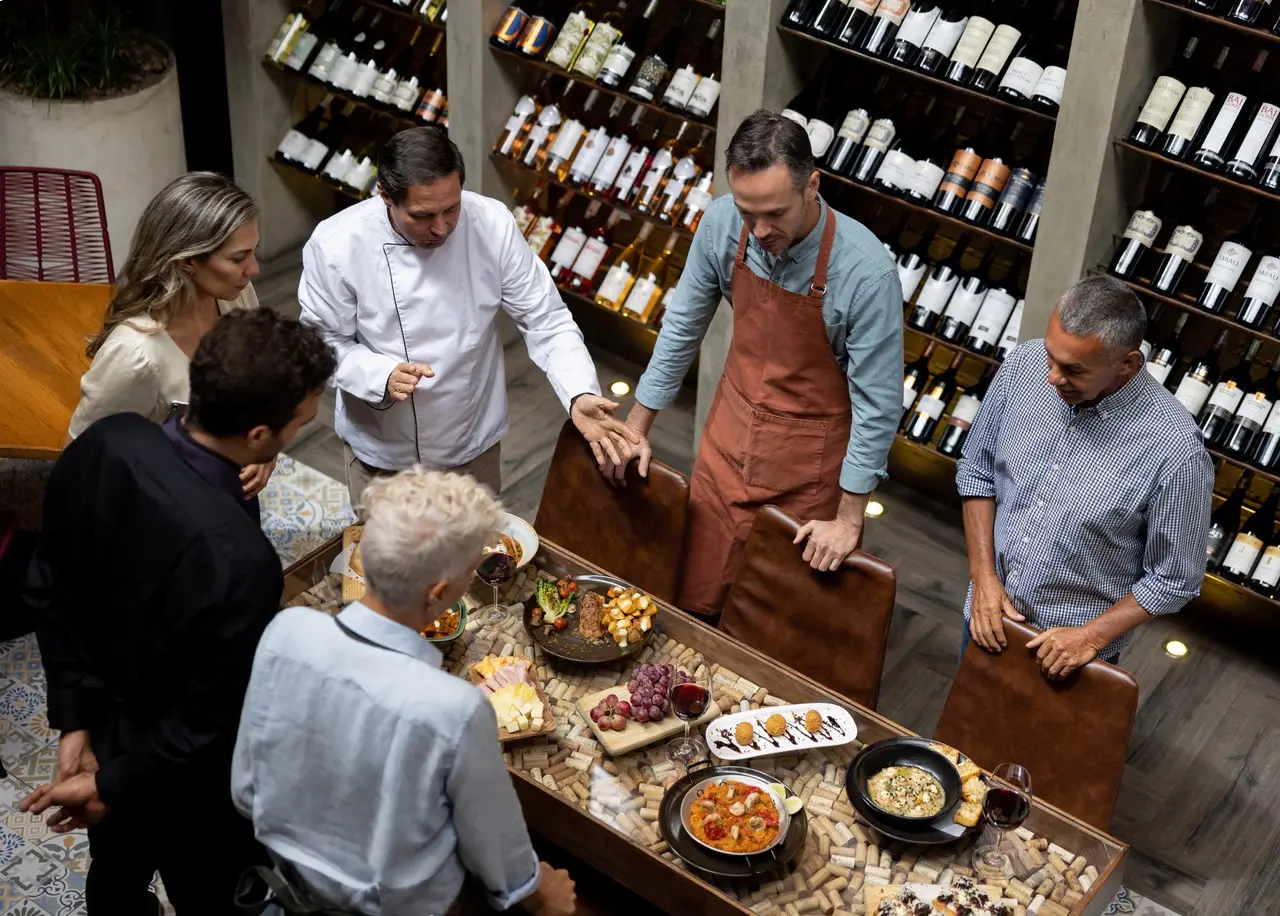
“Marketing” is one of the most misused and misunderstood terms in the food industry. So let’s review that Marketing 101 class you had in college, for just a second…
Remember The 4 Ps?
Product, Price, Place and Promotion are the key components of marketing.
“Product” and “Price” are self-explanatory. (We’re going to assume you have plenty of delicious products to sell.) “Place” and “Promotion” are a little less clear.
“Place” refers to where your food products are sold. This is your distribution plan.
There are dozens of distribution options that could become part of an overall marketing strategy… You could sell through grocery stores, big box stores, convenience stores or specialty retailers. You could move product through Ecommerce sites, in food trucks, on plates in restaurants or through food service operations such as schools, hospitals, hotels or cruise ships.
So technically, all the logistics involved in getting your product into the mouths of end consumers falls under the umbrella of marketing.
Channel management IS marketing. And the more strategic you can be, the better.
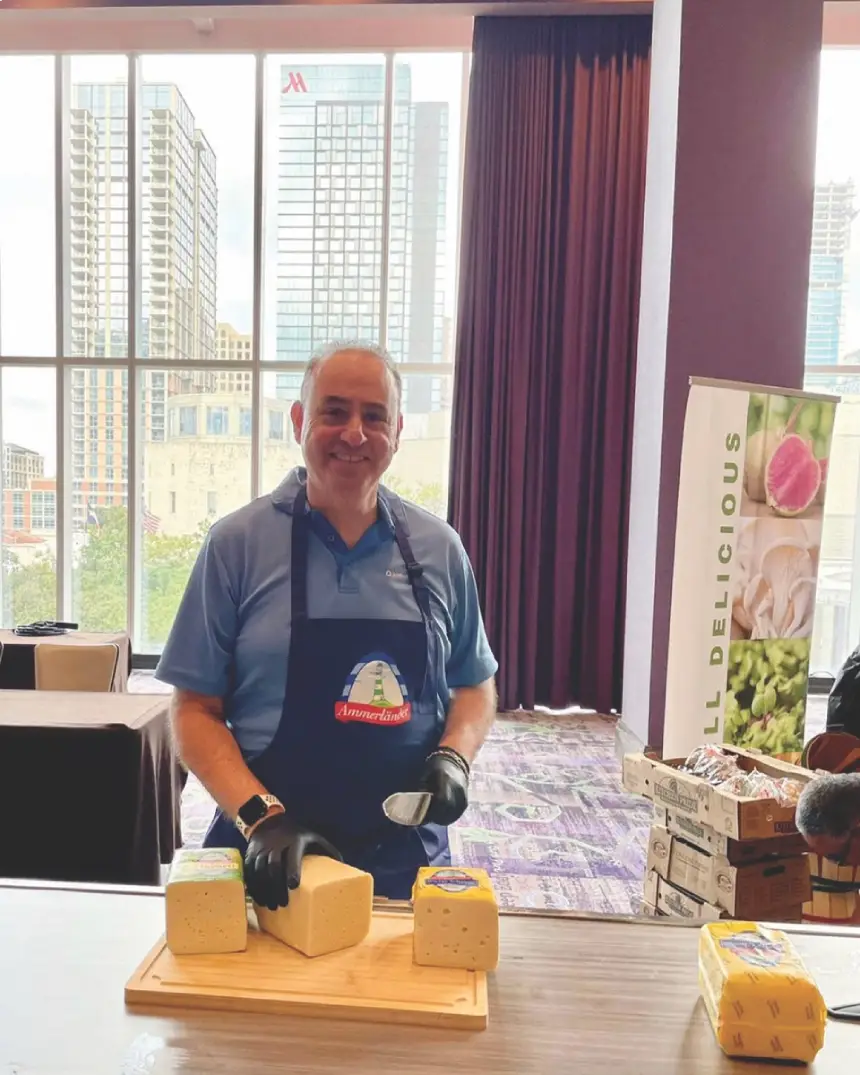
“Promotion” is a broad term that refers to any activity designed to promote, publicize or sell your products. It’s often confused with marketing communications.
Giant brands like Coke and Pepsi deploy a long list of marketing tactics that fall under the banner of “promotion”… everything from superbowl ads to cents-off digital coupons and POP displays supporting a regional, game-time price-point offer.
The most savvy marketers in the food industry devote 50% of their marketing budget to long term brand building, and 50% to short-term promotions that involve discounting at some level.
Smaller brands often rely on price-point promotions as their only marketing tactic. So managing those promotions carefully is critically important.
Generally speaking, there are two paths to successful promotions in the food business: Direct to retail or Distributor promotions
Path A — Direct to Retailer Promotions
Direct-to-retailer promotions are advantageous in many ways… You, as a supplier, get complete control. You craft the deal. You see real data — scans, redemptions, week-by-week performance.
When a supplier’s working directly with a retail buyer there’s more transparency, better control over branding, and genuine relationship building. Many retail brands manage up to 70% of promotions direct-to-retailer, depending on their resources and reach. The supplier gets faster feedback and may avoid some distributor fees.
But this approach also produces a lot of sleepless nights. Direct promotions require investment in logistics, compliance, and retailer negotiations, which might not scale as easily compared to distributor partnerships.
You also own every screw-up: missed execution, delayed deductions, paperwork mistakes, follow-up nightmares. It’s your skin in the game every step of the way.
When it works, though? There’s nothing cleaner. You can tighten or loosen the promo, pivot fast if velocity stalls, and see straight up what you’re spending vs. what you’re getting.
When you run promos direct you see every scan, every dollar redeemed, which lets you optimize in real time. You learn what works, what doesn’t — and why.
For smaller, growth-stage brands especially, that’s golden. Because once you give up visibility, you give up control. And you hand over your margin blind.
Path B —Distributor-driven promotions
On the surface, promotions that are managed by a distributor seem easier and more convenient because the distributor can manage the whole thing. They handle logistics, consolidate orders, manage freight, produce POP materials. For a growing brand, there’s real value in that.
Not only that, distributors give you access to accounts you’ve never touched, credit terms you’d never qualify for, and the chance to be on national racks without having to manage a hundred separate retail relationships.
But here’s the catch: Distributors aren’t working for free. Distributors charge for that service, so you have to be very careful to account for those costs.
In addition to the standard admin fee, there may be other fees that can eat into your margins. For instance:
- Promotional allowances for ad programs, show participation, or buyer presentations.
- Chargebacks for promotional activities, sometimes billed as a fee per case sold during a promo period
- Slotting or activation fees to launch new SKUs or reactivate existing ones.
- Data fees and compliance fines for meeting distributor requirements
- Spoils or shrink fees to cover expired or damaged products; excess fees can be kept by the distributor if actual loss is low
- Additionally, some distributor deductions appear as "trade promotion" expenses, which should be accrued monthly as part of your trade plan.
- Shelf rental or display fees to secure retail presence through distributors.
- Retroactive deductions, minimum order quantities, and expense for POS materials.
Most brands don’t even realize what they’re really paying for. They think it’s a trade-off: convenience vs. control. But the real trade-off is visibility vs. volatility. If you’re not careful, that “safe, simple promotion” now costs 20–30% more than the sticker price suggests.
The headaches can also be substantial. Many distributor promotions require volume minimums and quarterly targets. Miss a sales target and your shelf-space priority vanishes. That pristine promo you funded evaporates. Suddenly you’re just another SKU, shoved to the back shelf.
Path C: Best case scenario: Both Distributor promotions in certain markets, and direct to retail where it really counts.
Here’s how the smartest brands play the game:
- Use distributor promotions for baseline support. Keep inventory flowing. Maintain distribution reach. Keep shelf presence alive.
- Use direct retailer promos where you can. Target high-potential accounts. Own the data. Show real velocity. Build relationships with category buyers.
- Track everything, not just invoice vs. cost. Track redemptions, scan data, deductions, fulfillment execution, shelf-space rotation, growth lift.
- Maintain a steady presence in the marketplace with brand advertising and social media. That’ll help pull in more distributors.
When you play on all three fields with clarity and purpose you avoid being taken advantage of — and you stop giving away margin.
As channel ambassadors, we’re in the unique position to help with promotions from all different angles.
Our tightknit personal relationships and our knack for clear, concise communication can be a game changer for promotions management.
For our distributor customers we can help their customers plan and manage all distributor-driven promotions. Which means the promos work better for both the supplier and the distributor.
Distributors love it when suppliers come to them with a solid promotional plan. Because the more promos you run, the more money everyone makes.
For our supplier customers, we can be the 3rd party experts on any promotional questions you might have.
We’ve seen plenty of small, imported food brands sign up with distributors thinking it’s “the easy way” to handle promotions. Then six months later they come to us for help because they’re facing slow velocities, delayed payments, disappearing POs, and margin problems. The most fundamental math of their business gets completely messed up.
We also help when suppliers want to roll up their sleeves and take promotions direct to retailers. Now they have clean data. Clean margins. Real relationships. And substantial growth.
Because here’s the final, unvarnished truth: promotional success in the food business isn’t accidental. It’s math, discipline, and ruthless clarity. It can be a cut throat game. If you’re not tracking where every penny goes you’re not running a promo, you’re writing checks and playing whack-a-mole.
‹ Back
Recent Posts
-

Thinking Sideways. Moving Forward.
September 3, 2026
-
Specialty foods vs commodity items…
September 2, 2026
-

-
Ammerlander Tilsiter: One cheese, many uses, zero compromise.
August 16, 2026
-